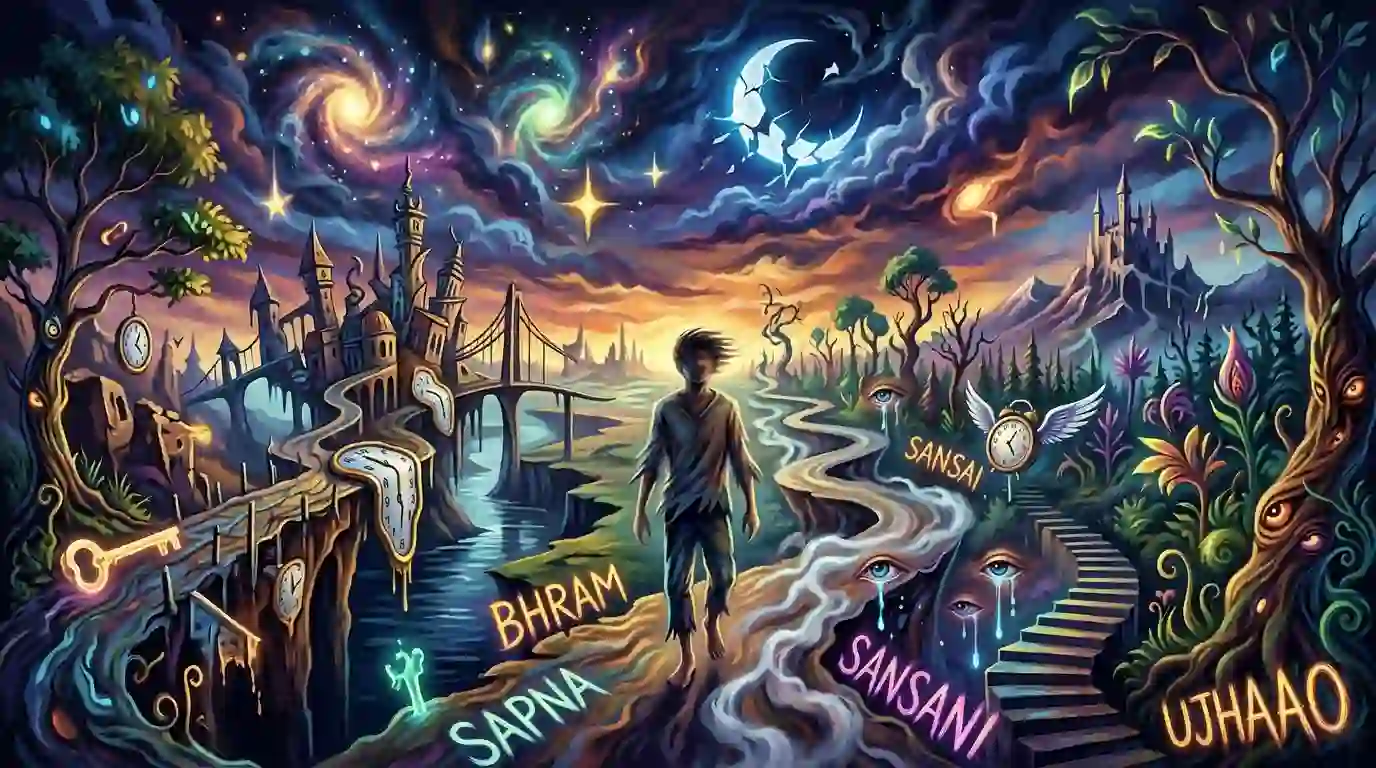
The fever dream meaning depends on the context. Literally, a fever dream is a vivid, strange, or sometimes frightening dream that happens while someone has a fever. In slang, it describes an experience, video, movie, or situation that feels bizarre, chaotic, surreal, or almost too strange to be real.
Key Takeaways
- A fever dream can describe an actual dream experienced during an illness.
- In slang, it means something feels strange, unreal, confusing, or surreal.
- People use the expression in conversations, texts, memes, and movie reviews.
- A fever dream can be funny, enjoyable, disturbing, or confusing.
- There is no single scientifically proven interpretation of a fever dream.
What Does Fever Dream Mean in Slang?
In slang, a fever dream describes something so unusual or confusing that it feels like a scene from a strange dream. The events may seem random, the people may act unexpectedly, or the entire experience may feel disconnected from reality.
For example, imagine watching a video in which a talking cat gives a business presentation while people dance in the background. You might comment, “This video is a complete fever dream.”
You are not saying you have a fever or that you fell asleep and You are saying the video feels bizarre, surreal, and difficult to explain.
People also use the phrase to describe:
- Strange or unexpected events
- Confusing conversations
- Unusual movies and television shows
- Chaotic parties or memorable trips
- Old memories that now seem unreal
- Random or surreal internet content
The phrase is stronger than simply calling something weird. It suggests that the experience feels so unusual that ordinary logic does not seem to apply.
Literal Meaning vs. Slang Meaning
The expression has two closely related meanings. Understanding the difference helps you interpret it correctly.
| Context | Meaning | Example |
|---|---|---|
| Literal | A vivid or disturbing dream experienced during a fever | “I had a strange fever dream last night.” |
| Slang | An experience that feels surreal or unreal | “That entire concert was a fever dream.” |
| Memory | A past experience that now feels hazy or unbelievable | “My first year of college feels like a fever dream.” |
| Entertainment | A movie, show, or video with bizarre or illogical scenes | “That movie was a beautiful fever dream.” |
The literal meaning relates to sleep and illness. The slang meaning uses the same dreamlike feeling as a metaphor for something that happens in real life.
Dictionary.com recognizes both meanings, while Cambridge emphasizes the figurative use for unusually strange experiences. Dictionary.com and Cambridge Dictionary provide further definitions.
Fever Dream Examples in Everyday Life
The best way to understand the phrase is to see how people use it in natural sentences.
1. Movies and television
“That movie was a fever dream from beginning to end.”
Meaning: The movie contained strange scenes, unexpected events, or an unusual storyline.
2. School or work
“Our group project turned into a fever dream when nobody knew what the assignment was.”
Meaning: The project became confusing, chaotic, and difficult to follow.
3. Travel and vacations
“That road trip was a fever dream, but I would do it again.”
Meaning: The trip involved unusual, unpredictable, or unforgettable experiences. The speaker may remember it fondly despite the chaos.
4. Old memories
“My middle school years feel like a fever dream now.”
Meaning: The speaker remembers that period as strange, distant, or difficult to believe.
5. Social events
“Last night’s party was a total fever dream.”
Meaning: The party was so unusual or chaotic that it felt almost unreal.
These examples show that a fever dream does not always describe something bad. The surrounding words and situation help determine the intended meaning.
Fever Dream Meaning in Text and Social Media
In text messages and online conversations, people often use “fever dream” as a quick reaction to something bizarre.
For example:
- Friend: “Look at this video of a dog riding a robot vacuum.”
- You: “What is this fever dream?”
Here, you express surprise and amusement because the video is unusually strange.
Other common examples include:
- “This comment section is a fever dream.”
- “My entire weekend felt like a fever dream.”
- “The plot twist was an absolute fever dream.”
- “This is the weirdest fever dream I’ve seen today.”
The expression works well in casual chats, social media comments, and humorous captions. It can communicate confusion, disbelief, amusement, or mild discomfort without requiring a long explanation.
Can a Fever Dream Be Positive?
Yes. In figurative language, a fever dream can describe an experience that is strange but enjoyable.
For example, someone might say, “That concert was a fever dream in the best possible way.”
The person probably enjoyed the unusual visuals, surprising performances, or overwhelming atmosphere.
Compare these sentences:
- Positive: “The festival was a colorful fever dream of music, lights, and dancing.”
- Negative: “The meeting was a fever dream of confusing instructions and pointless arguments.”
- Humorous: “My cat knocked over a lamp, stole my sandwich, and then fell asleep on my laptop. Absolute fever dream.”
The expression does not automatically communicate a positive or negative judgment. Context determines the tone.
Fever Dream vs. Nightmare
A fever dream and a nightmare can overlap, but they do not mean exactly the same thing.
| Feature | Fever dream | Nightmare |
|---|---|---|
| Main meaning | A strange dream associated with fever, or a surreal experience in slang | A frightening or upsetting dream |
| Connection to fever | The literal meaning involves fever | A fever is not required |
| Typical feeling | Vivid, bizarre, confusing, or unsettling | Fear, anxiety, or distress |
| Figurative use | Describes unreal or chaotic situations | Sometimes describes a frightening experience metaphorically |
| Example | “That entire movie felt like a fever dream.” | “I had a nightmare about being chased.” |
A nightmare usually focuses on fear or distress. A literal fever dream may also feel frightening, but its defining feature is its association with fever. In slang, the phrase can describe something strange without being scary at all.
Why Do People Have Fever Dreams?
A literal fever dream is a vivid, unusual, and sometimes unpleasant dream that can occur while someone has a fever.
Researchers have not established one exact cause. Possible explanations include changes in how the brain processes information during illness, disrupted sleep, and the effects of feeling physically unwell.
Some people report dreams involving distorted spaces, unusual threats, or confusing events. Others may not remember having any unusual dreams while sick.
According to the Sleep Foundation’s guide to fever dreams, scientists continue to investigate why these dreams occur and how they differ from ordinary dreams.
Do Fever Dreams Have a Deeper Meaning?
A strange dream does not necessarily contain a hidden message. Some theories suggest that dreams may reflect waking experiences, emotions, or memories, but researchers have not established a universal meaning for fever dreams.
For example, dreaming about being lost might remind you of a stressful situation. However, that connection is a personal interpretation, not proof that the dream predicts something or reveals a definite truth.
If you experience unusual dreams while sick, focus on your overall health rather than trying to decode every detail. Seek medical advice if a fever persists or you experience concerning symptoms. Severe confusion or difficulty staying awake during an illness requires urgent medical attention.
What Are Some Synonyms for Fever Dream?
If you want to describe something strange without repeating “fever dream,” several alternatives can help.
| Alternative | Best use |
|---|---|
| Surreal | Something that feels dreamlike or unreal |
| Bizarre | Something extremely strange |
| Absurd | Something unreasonable or illogical |
| Chaotic | A situation full of disorder |
| Unreal | Something difficult to believe |
| Dreamlike | Something that resembles a dream |
| Trippy | Something unusual, disorienting, or visually strange |
| Unbelievable | Something difficult to accept as real |
These expressions are not exact replacements in every sentence. For example, “surreal” emphasizes an unreal feeling, while “chaotic” emphasizes disorder. Choose the word that best describes the experience.
Frequently Asked Questions
What does fever dream mean in slang?
In slang, a fever dream is an experience that feels bizarre, surreal, confusing, or unreal. People use it to describe unusual videos, strange events, chaotic conversations, and memorable experiences. It does not mean the speaker is actually sick.
What does it mean when someone calls something a fever dream?
They mean the experience was so strange or unpredictable that it seemed like something from a dream. Depending on the situation, they may be expressing amusement, disbelief, confusion, or criticism.
Are fever dreams always scary?
No. Literal fever dreams can be unpleasant or frightening, but experiences vary. In slang, a fever dream can be funny, beautiful, exciting, confusing, or disturbing. The surrounding context reveals the intended tone.
Do fever dreams have a deeper meaning?
There is no scientifically established meaning that applies to every fever dream. Dreams may relate to personal experiences or emotions, but interpretations remain uncertain. A dream should not be treated as a reliable prediction of future events.
Is fever dream a negative expression?
Not always. People often use it critically to describe something bizarre or confusing, but they can also use it as a compliment. Calling an imaginative movie a “beautiful fever dream” suggests that its unusual style is part of its appeal.
Final Thoughts on Fever Dream Meaning
The fever dream meaning has two main interpretations. Literally, it describes a vivid or unusual dream associated with having a fever. In everyday slang, it describes something so bizarre, chaotic, or surreal that it feels almost unreal.
When someone calls a movie, memory, video, or event a fever dream, look at the context to understand whether they mean it positively, negatively, or humorously. Once you recognize this distinction, you can understand the expression and use it naturally in your own conversations.

I am Toni Morrison an acclaimed American novelist and Nobel Prize winner whose powerful storytelling explored identity, memory, love, heritage, and the human spirit through unforgettable literary works at Spiritualdreamz.com.










