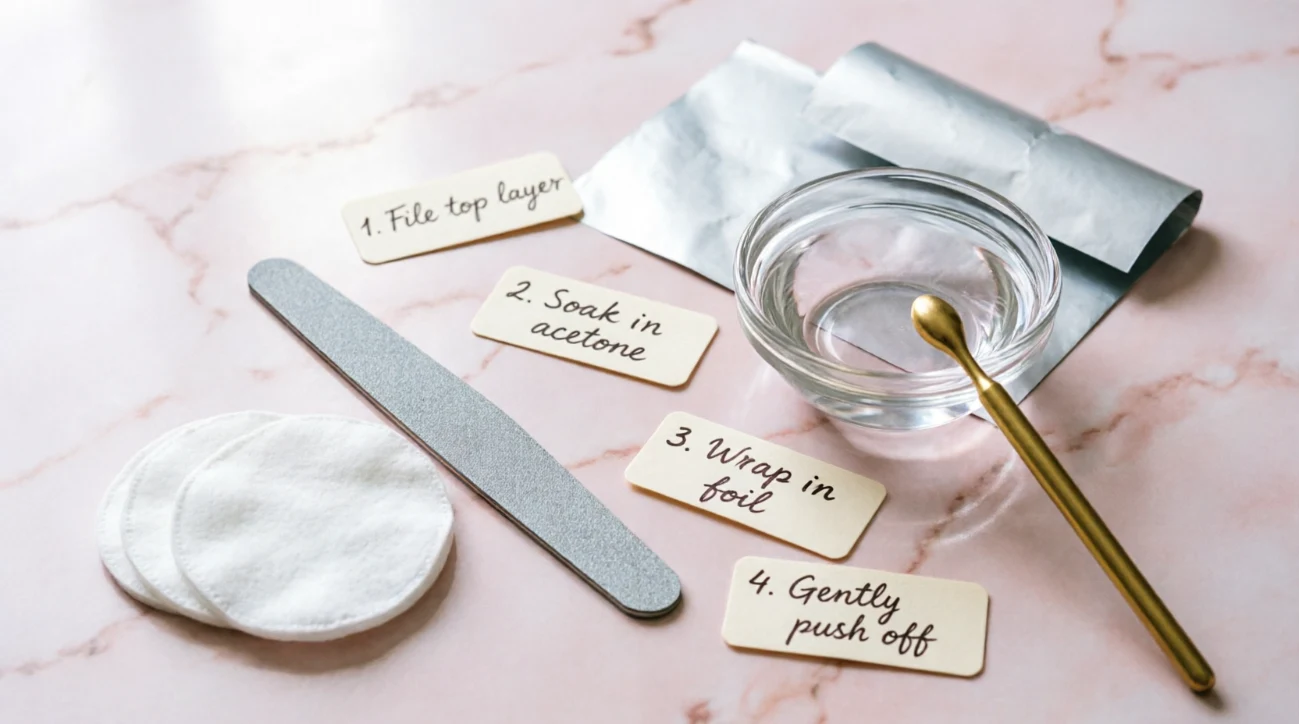
To take off acrylic nails at home, trim the extensions if possible, file away the shiny topcoat, and soak cotton balls in 100% acetone. Place the cotton on each nail and wrap it in aluminum foil. After 20–30 minutes, gently remove the softened acrylic. Repeat soaking if needed, then moisturize your natural nails.
Key Takeaways
- 100% acetone is the most effective common at-home method for removing acrylic nails.
- Never pull, peel, or force acrylic nails off your natural nails.
- File the acrylic gently and soak it until it becomes soft enough to remove.
- Acetone-free methods may help with loose acrylics but are less reliable.
- Apply cuticle oil and hand cream after removal to help prevent dryness.
Acrylic nails can look beautiful, but removing them can be frustrating, especially when they feel firmly attached. If you want to remove them at home, the key is to take your time and avoid damaging your natural nails.
You don’t need expensive salon equipment for basic removal, but you do need the right supplies and a little patience. Here’s how to take off acrylic nails safely, what to avoid, and how to care for your nails afterward.
What You Need to Remove Acrylic Nails at Home
Before you begin, gather everything you need. Having your supplies ready makes the process easier and reduces the temptation to pull off stubborn acrylic.
- 100% pure acetone
- Nail clippers
- A coarse nail file
- Cotton balls or cotton pads
- Aluminum foil
- A wooden cuticle pusher
- Petroleum jelly
- Cuticle oil
- Moisturizing hand cream
- A soft nail buffer
Work in a well-ventilated room because acetone produces strong fumes and is highly flammable. Keep it away from flames, cigarettes, and heat. Protect your work surface because acetone can damage some finishes.
How to Take Off Acrylic Nails With Acetone
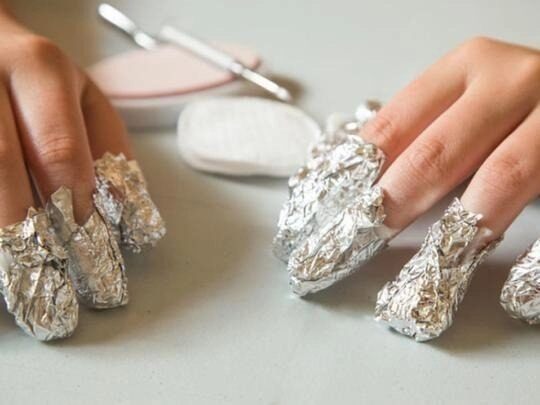
The acetone soak method is a common way to remove acrylic nails at home. Acetone softens the acrylic so you can remove it without pulling it off your natural nails.
Follow these five steps.
Step 1: Trim Your Acrylic Nails
Start by shortening the acrylic extensions with nail clippers if they are long and can be trimmed safely.
Cut only the artificial length that extends beyond your natural nails. Avoid cutting too close to your fingertips, especially if the acrylic is thick or tightly attached.
Shorter extensions can make the removal process easier because there is less acrylic to dissolve.
Step 2: File the Top Layer
Use a coarse nail file to remove the shiny topcoat from your acrylic nails.
File gently across the surface until the glossy finish becomes dull. This helps acetone reach the acrylic more easily.
Be careful not to file down to your natural nail. Stop if you feel pain, heat, or discomfort. You only need to remove the top layer, not the entire acrylic nail.
Step 3: Soak Your Nails in Acetone
Apply a thin layer of petroleum jelly to the skin around your nails to reduce dryness and irritation.
Next, follow these steps:
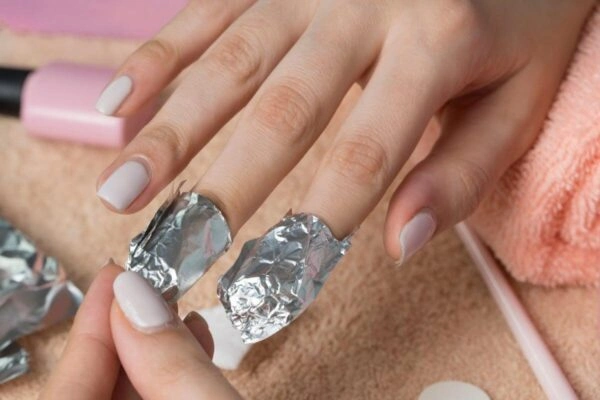
- Cut cotton balls or pads into small pieces that fit your nails.
- Soak each piece in 100% pure acetone.
- Place one soaked cotton piece on each acrylic nail.
- Wrap each fingertip with aluminum foil to hold the cotton in place.
- Leave the wraps on for approximately 20–30 minutes, checking the acrylic as it softens.
The exact time depends on the thickness and type of acrylic. Some sets need longer soaking.
If the acrylic is still hard, reapply acetone and allow more time. Never try to force it off just because you’re in a hurry.
Step 4: Gently Remove the Softened Acrylic
Remove the foil and cotton from one nail at a time.
The acrylic should look softened, flaky, or slightly broken down. Use a wooden cuticle pusher to gently slide away the loose material.
If you feel resistance, stop. Do not scrape aggressively or use a metal tool to pry the acrylic off.
Instead, soak the nail again for another 10–15 minutes and check if the acrylic has softened further.
Repeat this process until the acrylic comes away easily. If it remains firmly attached, consider having a nail technician remove it.
Step 5: Buff and Moisturize Your Nails
Once the acrylic is removed, wash your hands with mild soap and water to remove any remaining acetone.
If there are small rough areas, use a soft buffer very lightly. Avoid excessive buffing because your natural nails may already be thin.
Finish by applying cuticle oil and a rich hand cream. Your nails may feel dry or look uneven after removal, so give them time to recover.
How to Remove Acrylic Nails Without Acetone
If you don’t have acetone or prefer not to use it, there are a few alternatives. However, they are generally less effective, particularly for fresh, thick acrylic nails.
Try Warm Water and Soap
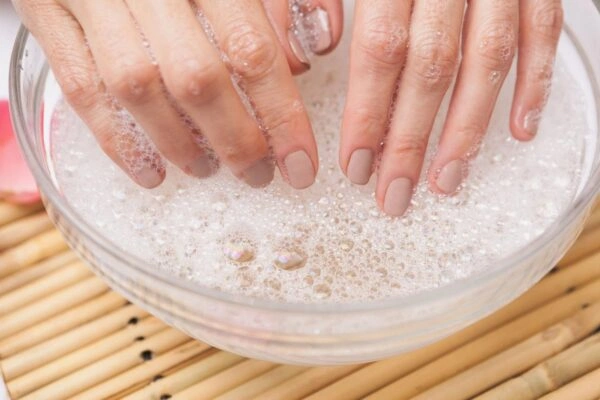
Warm water and soap may help loosen acrylic nails that are already lifting.
- Fill a bowl with comfortably warm water.
- Add a little mild soap and a few drops of cuticle oil.
- Soak your fingertips for 20–30 minutes.
- Check if the lifted edges have become looser.
- If the acrylic separates easily, gently remove it without pulling.
This method is not reliable for firmly attached acrylics. Do not force the nails off if they remain firmly bonded.
Use an Acetone-Free Nail Polish Remover
Some acetone-free nail polish removers contain solvents such as ethyl acetate. However, ordinary acetone-free polish remover is not designed to dissolve every type of acrylic enhancement.
Check the product label and follow its instructions. If the acrylic does not soften, stop rather than scraping or prying it off.
For thick or firmly attached acrylic nails, professional removal is a safer option.
What Not to Do When Removing Acrylic Nails
Removing acrylic nails incorrectly can damage your natural nails. Avoid these common mistakes:
- Don’t pull or peel them off: This can remove layers of your natural nail and leave them thin or painful.
- Don’t use dental floss: Sliding floss underneath acrylic can injure or separate your natural nail.
- Don’t scrape aggressively: Forcing off hard acrylic can damage the nail surface.
- Don’t over-file: Excessive filing can make your natural nails thinner and weaker.
- Don’t rush the process: If the acrylic is still hard, soak it longer instead of forcing it off.
The American Academy of Dermatology warns that artificial nails and their removal can leave natural nails thin, brittle, and dry.
If your nails are painful, swollen, unusually discolored, or showing signs of infection, seek advice from a healthcare professional rather than attempting removal yourself.
How to Care for Your Natural Nails After Removal
Your natural nails may look uneven or feel soft after removing acrylics. Proper aftercare can help protect them while they grow.
- Apply cuticle oil: Use it regularly to moisturize your nails and surrounding skin.
- Use hand cream: Moisturize your hands after washing them to reduce dryness.
- Keep your nails short: Short nails are less likely to catch on clothing or break.
- Avoid additional acrylics: Consider taking a break if your nails are thin, peeling, or damaged.
- Wear gloves: Protect your nails when washing dishes or using household cleaning products.
Avoid aggressive buffing or applying another set of acrylics to cover damaged nails. If your nails remain weak, painful, or discolored, consult a dermatologist.
Frequently Asked Questions
Can you remove acrylic nails at home?
Yes, you can remove acrylic nails at home using 100% acetone, cotton, and aluminum foil. The process requires patience because thick acrylic may need several soaking sessions. If your nails are damaged or the acrylic is difficult to remove, consider visiting a professional nail technician.
How long does it take to remove acrylic nails?
Removing acrylic nails at home generally takes around 30–60 minutes, depending on the thickness of the acrylic and how easily it softens. You may need additional soaking time for thicker sets. Avoid rushing the process because forcing off stubborn acrylic can damage your natural nails.
Can you remove acrylic nails without damaging your natural nails?
You can reduce the risk of damage by soaking the acrylic until it softens and removing it gently. However, no removal method guarantees that your natural nails will remain completely undamaged. Avoid peeling, scraping, or filing too deeply, and seek professional help if the acrylic will not come off easily.
Does hot water remove acrylic nails?
Warm water may help loosen acrylic nails that are already lifting, especially when combined with mild soap and oil. However, it generally cannot dissolve firmly attached acrylic. Never use hot water that could burn your skin or force the acrylic off if soaking does not work.
Is it safe to pull off acrylic nails?
No. Pulling or peeling acrylic nails off can remove layers of your natural nail, causing thinning, splitting, and soreness. Even if an acrylic nail looks loose, avoid pulling it. Soak it until it releases easily or ask a nail technician to remove it.
Conclusion
Learning how to take off acrylic nails at home can save you a salon visit, but patience is essential. The acetone soak method is a practical option for many acrylic sets. File the topcoat gently, soak the nails, and remove only the softened acrylic.
Avoid pulling or forcing off stubborn nails. Once the acrylic is gone, moisturize your natural nails and give them time to recover. If removal becomes painful or difficult, let a professional handle it.

I am James Patterson an American writer sharing thoughtful insights on dreams, spirituality, personal growth, and everyday life through practical guides and meaningful stories for SpiritualDreamz.com readers everywhere with warmth.










